
 Home
Leakage Protection Solution
Develop Hygiene Products with Better Leakage Protection
We help optimize product structure, absorbent cores, elastic components and materials to reduce leakage and improve product performance for your application.
- Leakage prevention and structure optimization
- Core and absorbency improvement
- Leg guards and elastic structure development
- Performance testing before mass production

Where Does the Leakage Happen?
Identifying the leakage location helps determine which part of the product structure should be evaluated first.
Side Leakage
Liquid escapes from the sides during use, movement or higher liquid intake.
Back Leakage
Liquid reaches the back edge, especially during lying or overnight use.
Front Leakage
Liquid reaches the front area before it can be effectively acquired and distributed.
Leg Leakage
Liquid escapes around the legs because of barrier, elastic, shape or fit limitations.
Leakage Under Pressure
Absorbed liquid may be released when the product is compressed by body weight or movement.
Leakage After High Liquid Intake
Leakage can occur when liquid intake exceeds the effective absorption, distribution or containment capability.

Why Does a Product Leak?
Leakage is not always caused by insufficient absorbency. The actual cause may involve the absorbent core, liquid distribution, product fit, elastic components, product size or barrier structure.
Core Capacity
The absorbent core may not provide enough effective capacity for the intended application.
Liquid Distribution
Liquid may concentrate in one area instead of spreading effectively through the core.
Acquisition Speed
Slow liquid acquisition can leave liquid near the surface and increase leakage risk.
Leg Protection
Insufficient barrier height, elasticity or positioning can allow liquid to escape around the legs.
Product Fit
Gaps between the product and body can create leakage paths during movement.
Compression
Absorbed liquid may be released from the core when the product is compressed.
How We Build Better Leakage Protection
We combine absorbent core performance, liquid acquisition, barriers, elastic components and product structure to address the actual leakage risk.

Absorbent Core
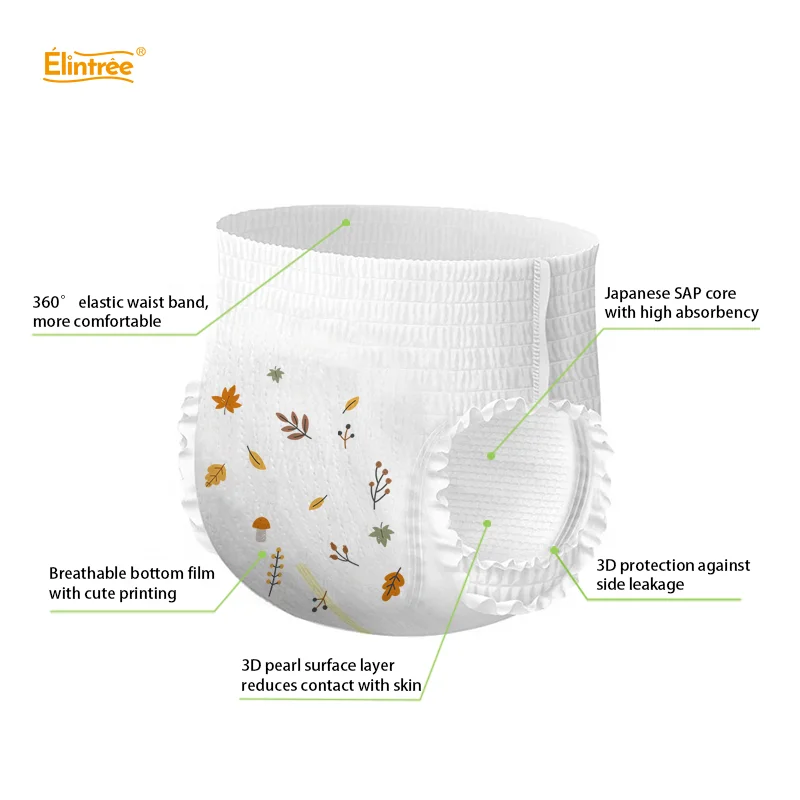
Optimize SAP, fluff pulp, core weight and core configuration according to capacity and liquid distribution requirements.

Acquisition & Distribution
Improve liquid acquisition and distribution so liquid can move away from the surface and into the absorbent core.

3D Leg Guards
Adjust barrier height, elastic positioning and structure to improve protection around the leg area.

Waist Structure
Optimize waistband construction and product coverage for improved front and back leakage protection.

Product Shape
Adjust dimensions, contour and fit according to the target user and application.

Backsheet & Materials
Select suitable backsheet and component materials according to the required liquid barrier and product performance.
Leakage Protection Is a System
Reliable leakage protection depends on how product structure, body fit and material performance work together. We evaluate these factors as a complete product system.
Structure
- Absorbent core
- Liquid distribution
- 3D leg guards
- Waist structure
- Barrier design
- Product shape
Fit
- Product size
- Waist fit
- Leg opening
- Body coverage
- Movement
- Application position
Materials
- Topsheet
- Acquisition layer
- SAP
- Fluff pulp
- Backsheet
- Elastic components
Built Around Different Applications
Leakage risks vary by product type, user movement and application. We develop protection strategies around the specific requirements of each hygiene product.

Adult Diapers
Protection for sitting, movement, lying and overnight use.
Focus Areas- Side leakage
- Back leakage
- Overnight protection
- High liquid intake
- Leg protection
- Fit and movement

Baby Diapers
Protection developed around movement, body shape and liquid distribution patterns.
Focus Areas- Side leakage
- Back leakage
- Leg leakage
- Overnight protection
- Fit during movement
- Liquid distribution

Incontinence Pads
Protection depends on pad shape, positioning, liquid distribution and side containment.
Focus Areas- Side leakage
- Product shape
- Liquid distribution
- Side barriers
- Adhesive positioning
- User fit

Underpads
Designed to contain liquid within the covered area and reduce leakage beyond the product edges.
Focus Areas- Surface coverage
- Edge leakage
- Liquid containment
- Backsheet protection
- Absorption capacity
From Leakage Problem to Product Solution
We turn a reported leakage problem into a measurable product development requirement, then optimize the structure and verify the result through testing.
Leakage Assessment
Understand where the leakage occurs and under what application conditions.
Root Cause Analysis
Evaluate absorbency, distribution, fit, structure, materials and product size.
Structure Optimization
Adjust core, leg guards, waistband, product shape or barrier structure.
Sample Development
Develop samples based on the revised product specification.
Performance Testing
Evaluate leakage protection and related performance under defined conditions.
Final Specification
Confirm the optimized structure and performance requirements before mass production.
Leakage Protection Development in Practice
Real product development starts with a leakage problem and ends with a tested product specification.

Adult Diaper — Improved Overnight Protection
The original adult diaper had an approximate capacity of 500 ml and experienced leakage during higher liquid intake and overnight use.
Absorption: 15s
Rewet: 0.5g

Incontinence Pad — Enhanced Side Protection
The original pad required higher protection levels and improved containment around the sides.
Development Targets: 300 / 600 / 1000 ml
How We Test Leakage Protection
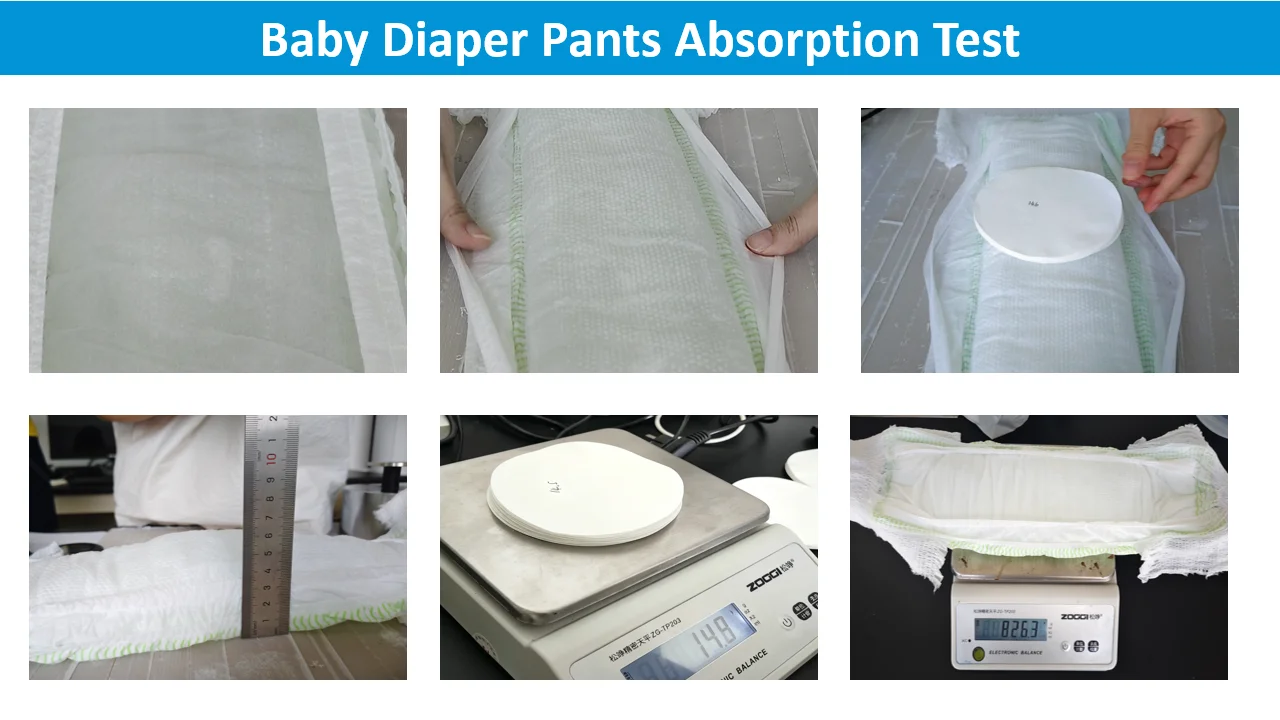
Leakage protection should be verified against defined product requirements rather than evaluated only by absorbency capacity.
Leakage Test
Evaluate whether liquid escapes from the product under defined test conditions.
Side Leakage
Check protection around the sides and leg areas.
Front & Back Leakage
Evaluate protection near the front and back edges.
Liquid Distribution
Check how effectively liquid spreads through the core.
Rewet
Evaluate liquid returning toward the product surface.
Compression
Assess whether liquid is released when the product is subjected to pressure.
Fit & Movement
Evaluate protection under intended application and movement.
Product Structure
Check whether the tested structure matches the approved product specification.
From Leakage Protection Specification to Mass Production
Once the leakage protection requirements are confirmed, the approved structure and materials can be transferred into a controlled production specification.
Requirement
Define leakage location, application, size and target performance.
Specification
Confirm structure, materials and performance requirements.
Sample
Produce development samples for evaluation.
Testing
Verify leakage protection and related performance.
Approval
Confirm the final product specification.
Mass Production
Transfer the approved specification into production and QC.
Leakage Protection Solution FAQ
Answers to common questions about diaper leakage, product structure and customized leakage protection development.
How can I reduce leakage in adult diapers?
Leakage can result from absorbency, liquid distribution, fit, leg protection, waist structure or product size. We evaluate the specific leakage problem before recommending structural or material changes.
What causes side leakage in diapers?
Side leakage can be related to insufficient leg barriers, poor fit, liquid distribution, core saturation or product structure. The appropriate solution depends on where and when the leakage occurs.
How can I improve diaper leakage protection?
Improvement may involve the absorbent core, acquisition layer, liquid distribution, 3D leg guards, waistband, product shape, fit or backsheet. The development direction depends on the specific performance requirement.
Can you customize leak protection for adult diapers?
Yes. Leakage protection can be developed according to product size, application, absorbency target, fit requirements and other product specifications.
Can 3D leak guards reduce side leakage?
3D leak guards can provide an additional physical barrier around the leg area. Their effectiveness depends on barrier height, elastic positioning, product fit and the overall product structure.
How can I prevent overnight diaper leakage?
Overnight protection normally requires a combination of sufficient absorbent capacity, effective liquid distribution, suitable product coverage, leg protection and fit. The specific configuration depends on the product and target application.
Can you improve leakage protection without increasing diaper thickness?
In some applications, leakage protection can be improved through structure, liquid distribution, material selection, fit and barrier optimization rather than simply adding more absorbent material. The achievable result depends on the existing product specification.
Can you develop a diaper based on our existing leaking product?
Yes. You can provide an existing sample, product specification or description of the leakage problem. We can evaluate the product and develop a revised structure based on the required performance.
Have a Leakage Problem to Solve?
Tell us where the leakage occurs, your product type, size and current specification. We can evaluate the possible causes and recommend a suitable product development direction.
Discuss Your Leakage Problem